The Cost of Living in Sedalia, Missouri: A 2026 Guide
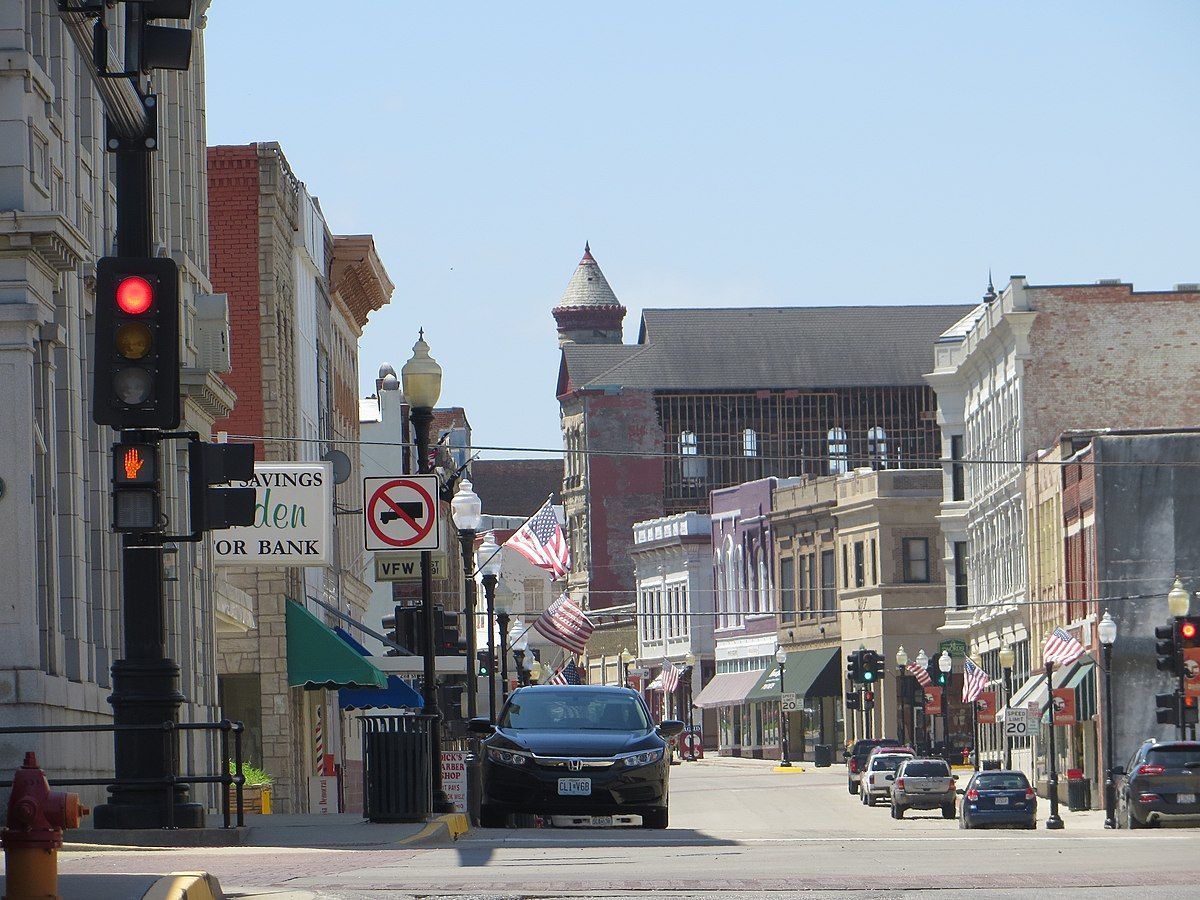
Sedalia, Missouri, is the kind of place where history announces itself before you've even parked the car. This is a town that spent nearly a century as a railroad crossroads, watched Scott Joplin compose ragtime standards in a downtown club, and now hosts nearly 400,000 visitors every August for the Missouri State Fair on one of the largest fairgrounds in the country. The Katy Trail, a 240-mile rail-to-trail path connecting Clinton to Machens, runs right through downtown, so cyclists and walkers pass through on their way across the state.
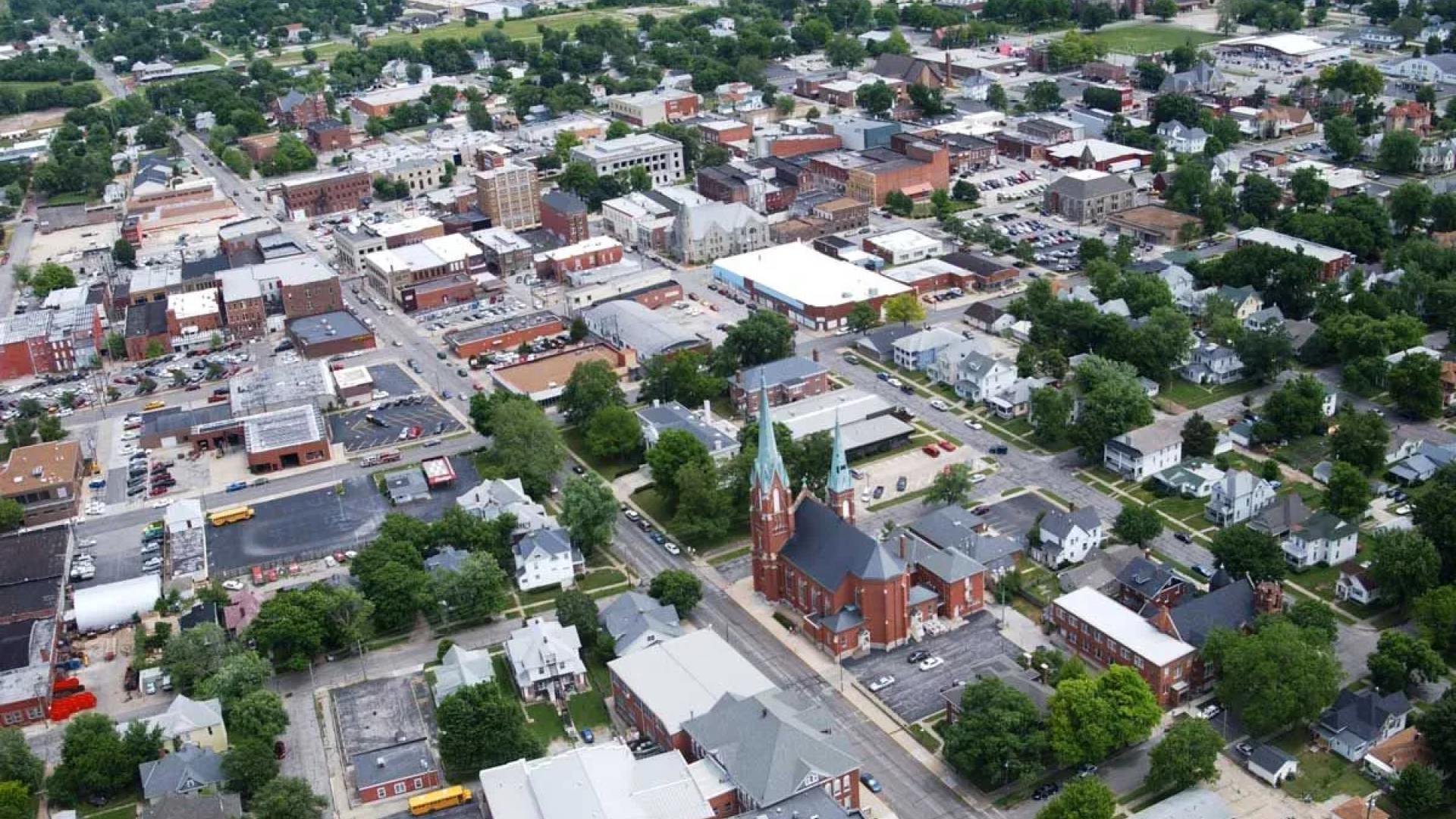
All of that history and foot traffic sits inside a city of about 22,800 people, which means Sedalia carries the cultural weight of a much bigger town without the price tag that usually comes with one. If you're considering a move to Sedalia, or just curious about what your paycheck would actually buy, the numbers below tell a pretty compelling story.
Home Prices in Sedalia
Buying a home in Sedalia costs a fraction of what it does in most of the country. Zillow puts the average home value at $176,864, up 4.4% over the past year, while Redfin's more recent sales data shows a median sale price closer to $185,000, up nearly 11% year over year. Homes.com lands in a similar range, reporting a 12-month median around $187,500.
Each source measures the market a little differently, but the takeaway is the same: home values here are climbing at a healthy pace while remaining well under the national median. Buyers can also compare some of Sedalia's most popular neighborhoods as they weigh home prices, property styles, available space, and proximity to local attractions.
Sedalia may also appeal to residents who want to work toward ownership gradually instead of applying for a traditional mortgage right away. The local market includes rent-to-own housing opportunities that can give prospective buyers additional time to build savings, improve their credit, and decide where they want to settle.
Rental Costs
Renters do just as well. Zumper's July 2026 data puts the average rent in Sedalia at $845 a month, which is 57% below the national average rent. Break it down by unit size and a studio or one-bedroom runs about $800, while a two-bedroom adds roughly $50 to that.
For comparison, that is less than half of what renters pay in Kansas City or Springfield, so a lot of people who grew up in bigger Missouri metros do a double take the first time they see a Sedalia listing. Lower monthly rent can also leave more room in the budget for transportation, utilities, savings, and the other expenses that come with settling into a new community.
Taxes: Income, Sales, and Property
Taxes are a mixed bag and worth understanding before you budget a move. Missouri's state income tax is graduated from 2% up to 4.7%, according to the Tax Foundation, which is modest compared to many states, especially ones without a similar bracket structure.
Sales tax is where Sedalia asks for a bit more. The combined rate lands at 8.725%, made up of the 4.225% state rate, a 1.5% Pettis County rate, and a 2.5% city rate. A few special taxing districts push that figure as high as 9.725% in specific pockets of town.
Property taxes, on the other hand, are genuinely low. Pettis County's median property tax bill runs about $803 a year, with an effective rate around 0.86% of a home's value, which ranks it comfortably below both state and national medians. For a homeowner used to paying several thousand dollars a year in property tax elsewhere, that number alone can reshape the financial comparison between renting and buying.
The Bottom Line on Sedalia's Cost of Living
Put all of that together and Sedalia's overall cost of living index comes in at 86, or 14% below the national average, according to AreaVibes. That gap matters more once you factor in local wages. The median household income sits at $50,990, which is below the national median but stretches noticeably further here than it would in a city where the cost of living index runs above 100.
Sedalia also has a growing base of manufacturing and industrial employers as the city continues to diversify beyond its railroad-dependent past. That growth can create opportunities for entrepreneurs, contractors, retailers, and service providers. As their operations expand, Sedalia small businesses can use storage to organize inventory, equipment, documents, and seasonal supplies without immediately taking on the expense of a larger commercial property.
Add in a genuinely lively calendar of events, including the Scott Joplin Ragtime Festival every June, and you get a place where affordability is not the only selling point, just the most measurable one.
Sedalia has built an identity around things that do not show up in a cost-of-living spreadsheet: a State Fair that has been running since 1899, a ragtime legacy that still draws musicians from across the country, and a trail system that turns a Saturday morning into a scenic ride instead of an errand. The numbers make a strong case for the move, and the town itself makes the case for staying once you're here.
If a move to Sedalia is on your radar and you need somewhere to keep extra furniture, seasonal gear, or moving boxes while you settle into your new place,
choosing the right storage unit size can help you avoid overcrowding your space or paying for more room than you need. Diamond B Mini Storage offers storage options nearby to make the transition easier.